Hoof, Body & Soul, Part III: Mission Impossible, unedited, by Gudrun Buchhofer. Blog 68, case # 68
CHAPTER 1
Atrophy, the fundamental cause for most all hoof pathology and upper body injuries
Body & Soul
Case # 68
Bumper
trimmed from April 2015 until November 2024
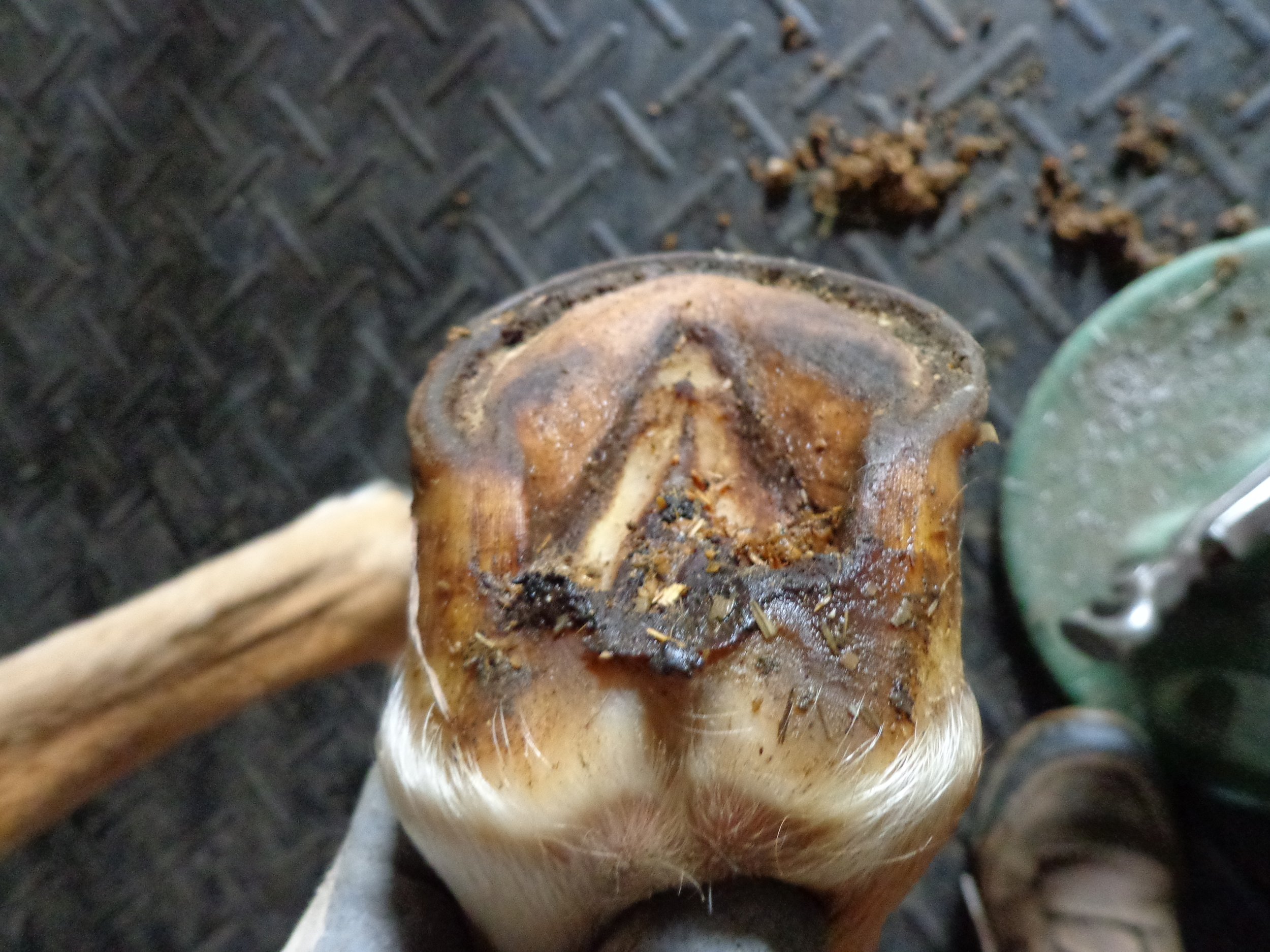
Quarter Horse gelding Bumper was under my hoof care wings for almost ten years. Bumper was used as a trail horse before my client bought him. I started trimming him with under-run heels and flat soles in the fronts. The “false” heels of his right front were literally collapsed and crushed. True heels have never been activated after he was born.
Bumper leaned on the lateral sides and toes of his fronts causing the "pigeon-toed appearance". Both front hooves were cracked due to the extreme pressure and pathological weight loading.
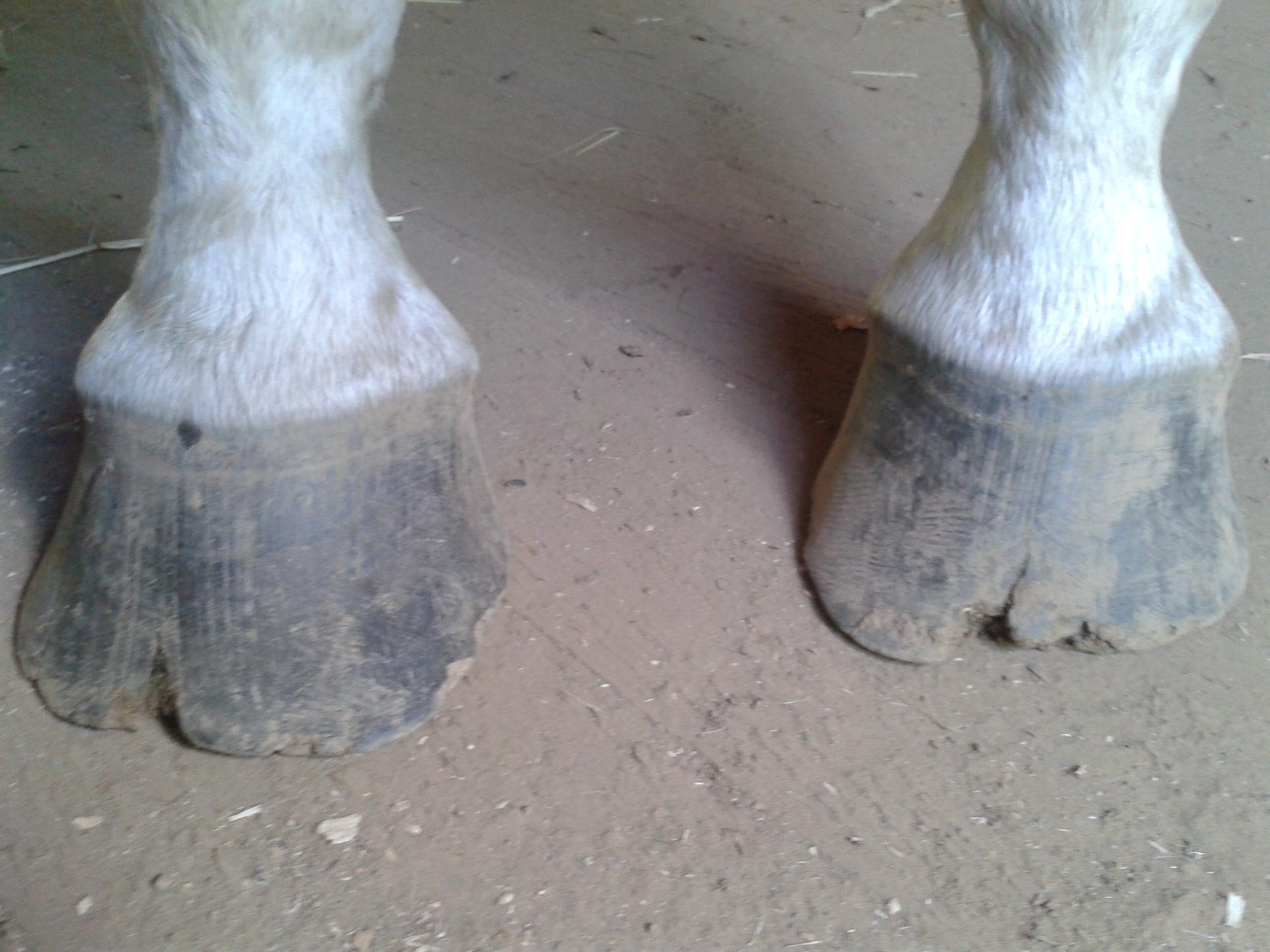
Fronts pre-trim July 2017
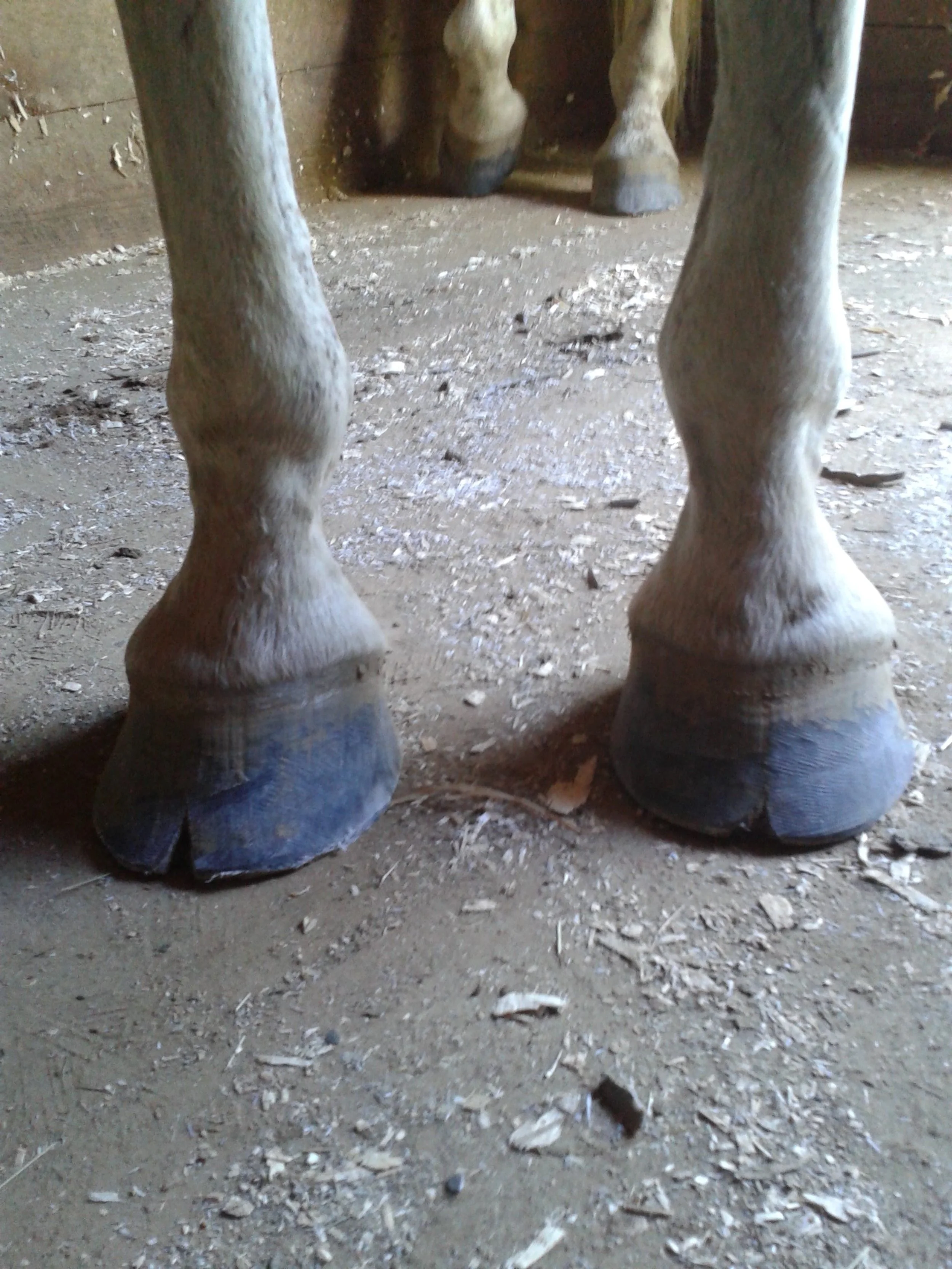
Fronts post-trim August 2017 — note the weakness in the hinds especially the right hind with the crooked pastern
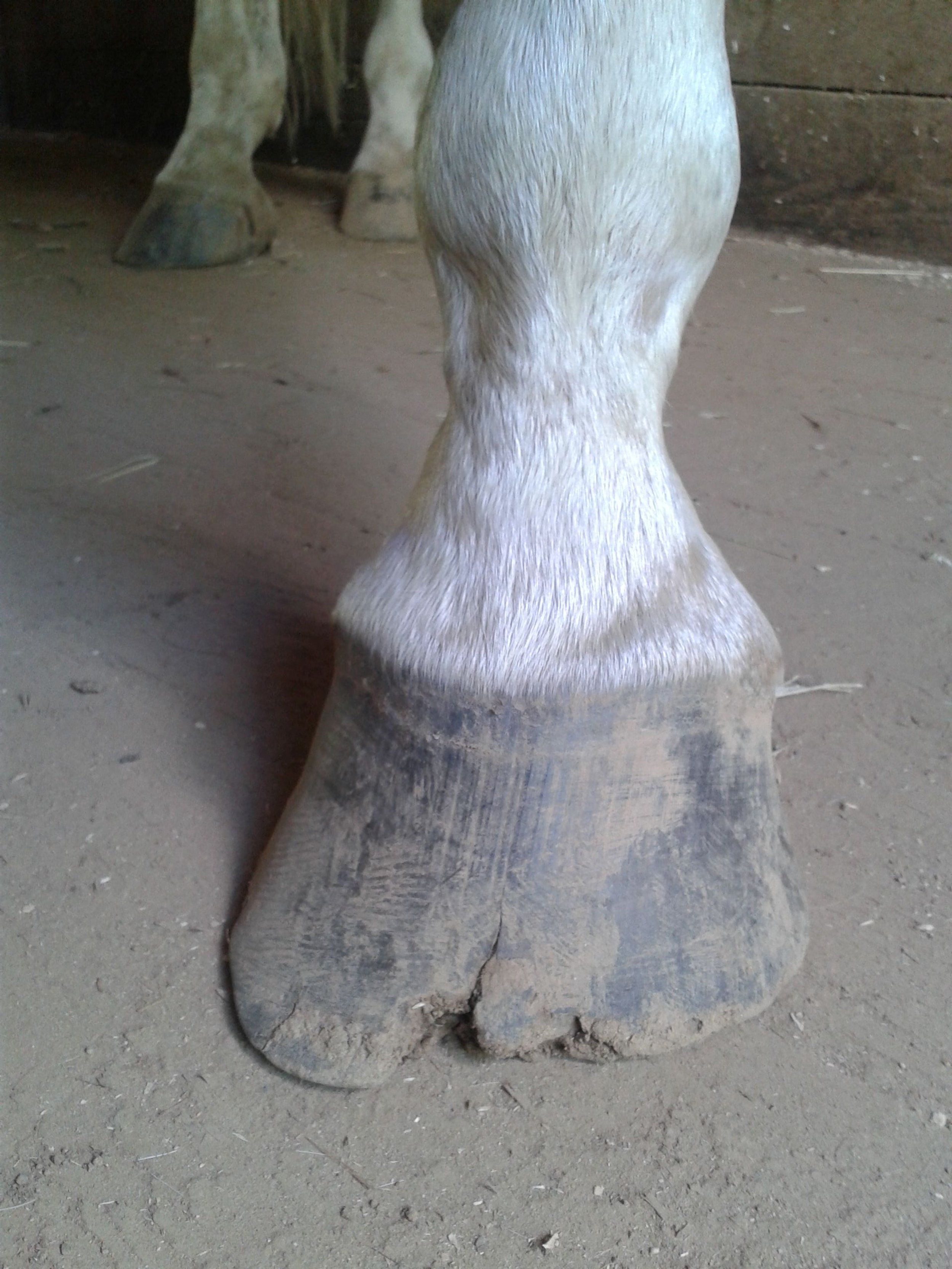
Left front pre-trim July 2017
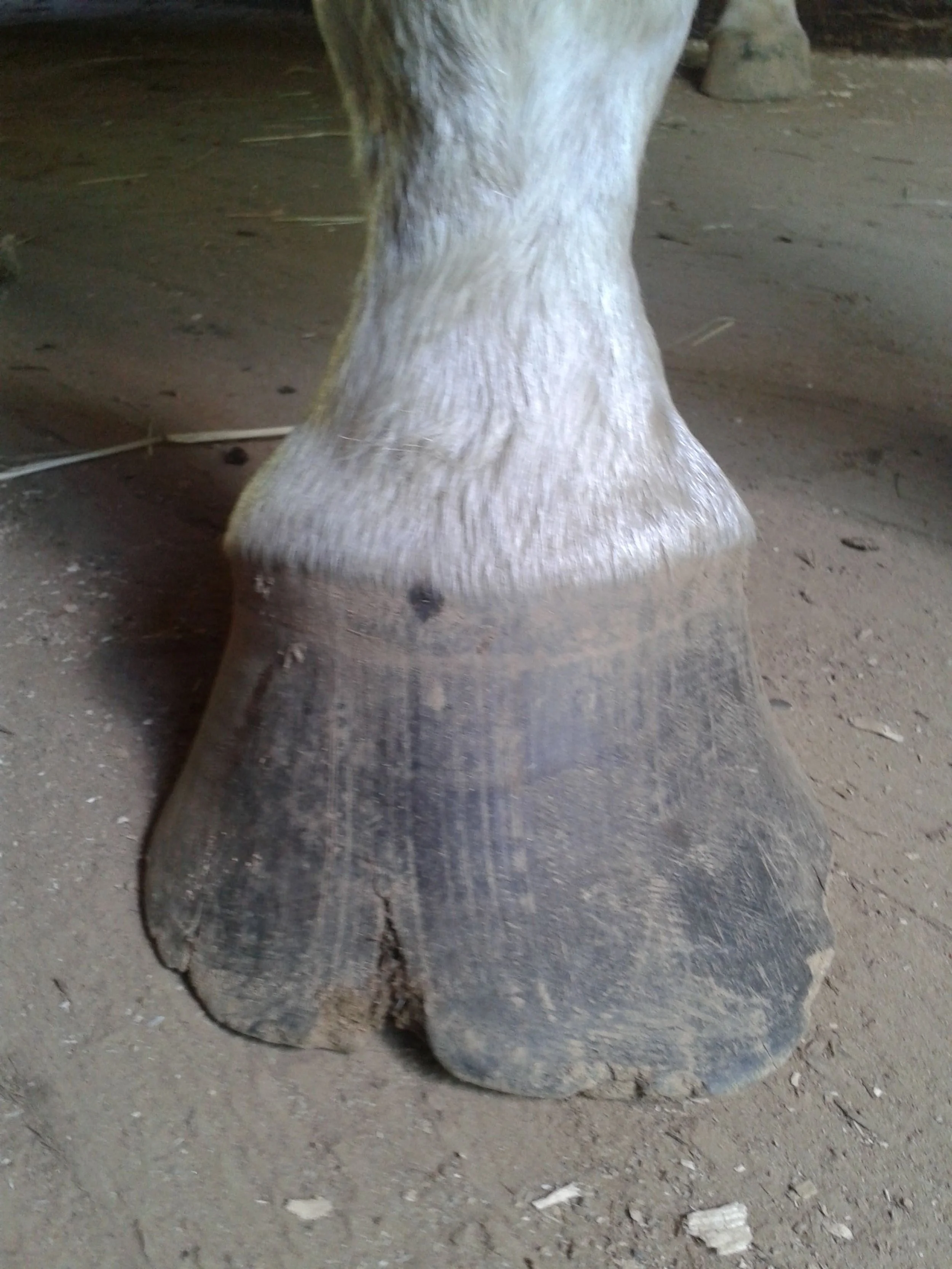
Right front pre-trim July 2017
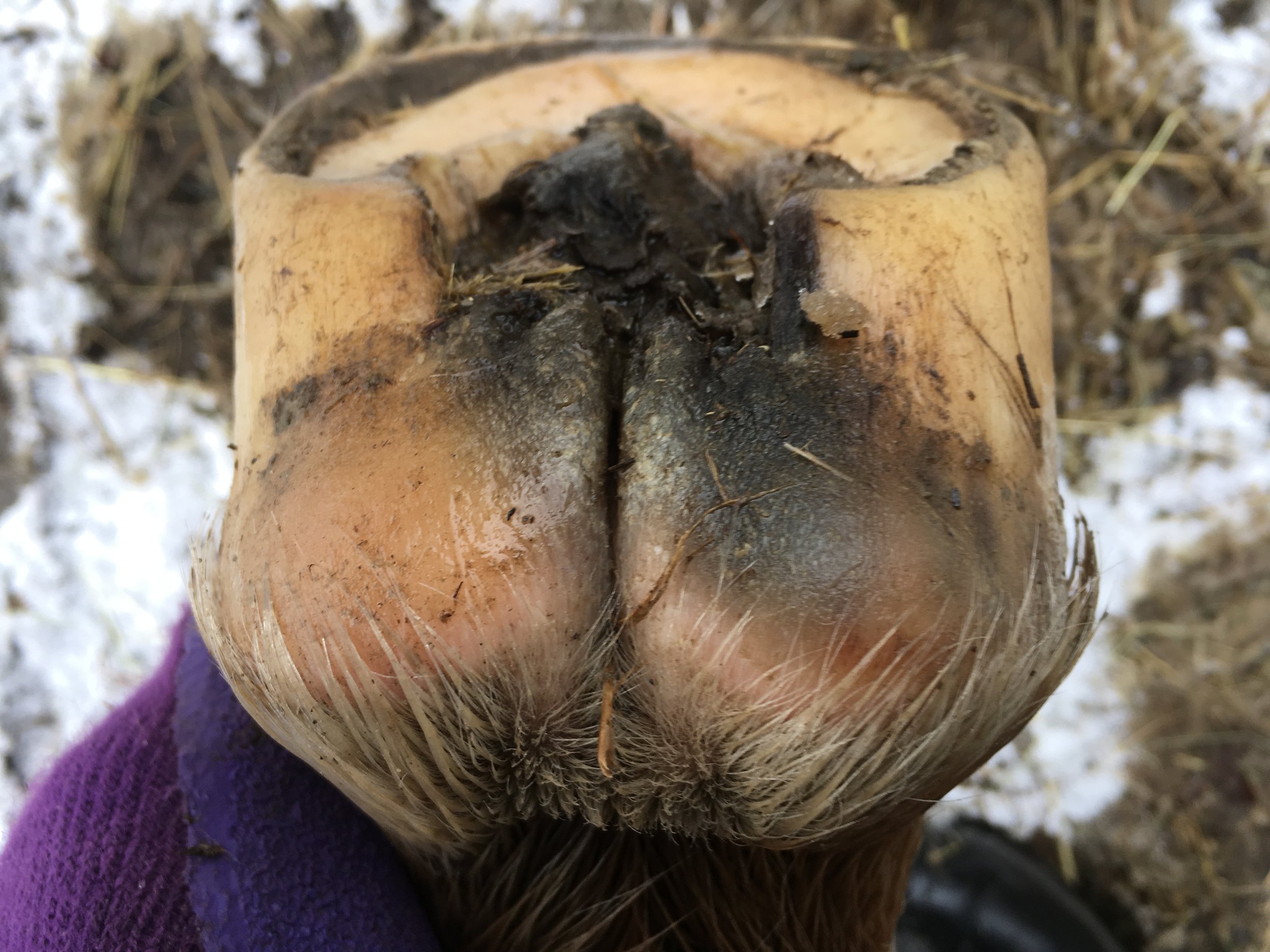
Bumper 's hinds were very weak as well especially the right hind. He leaned on the lateral side of the hoof capsule, avoiding to put weight on the “false” heel. The tip of the “false” lateral heel was flared and had grown into the soft tissue.
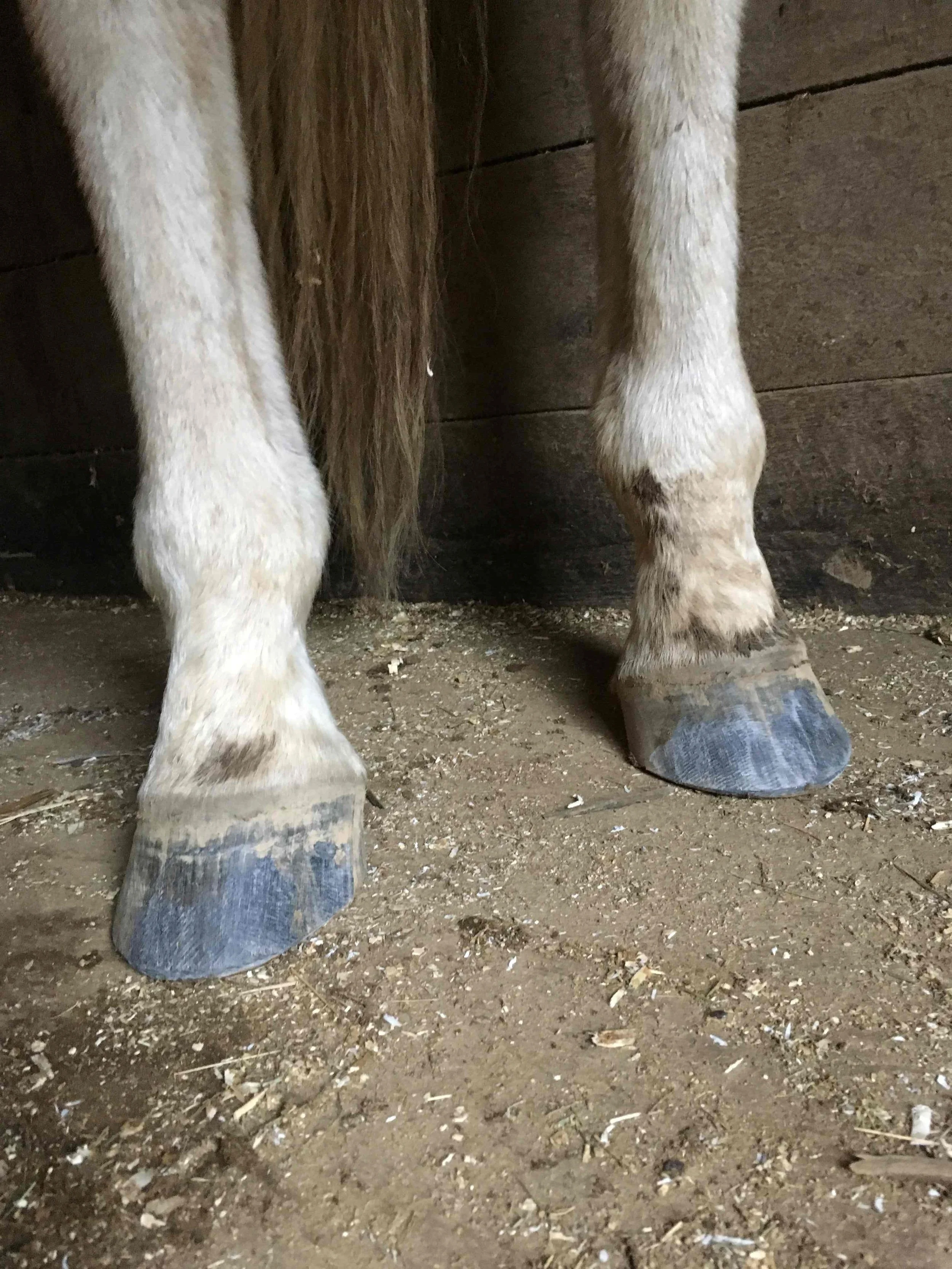
Hinds November 2018
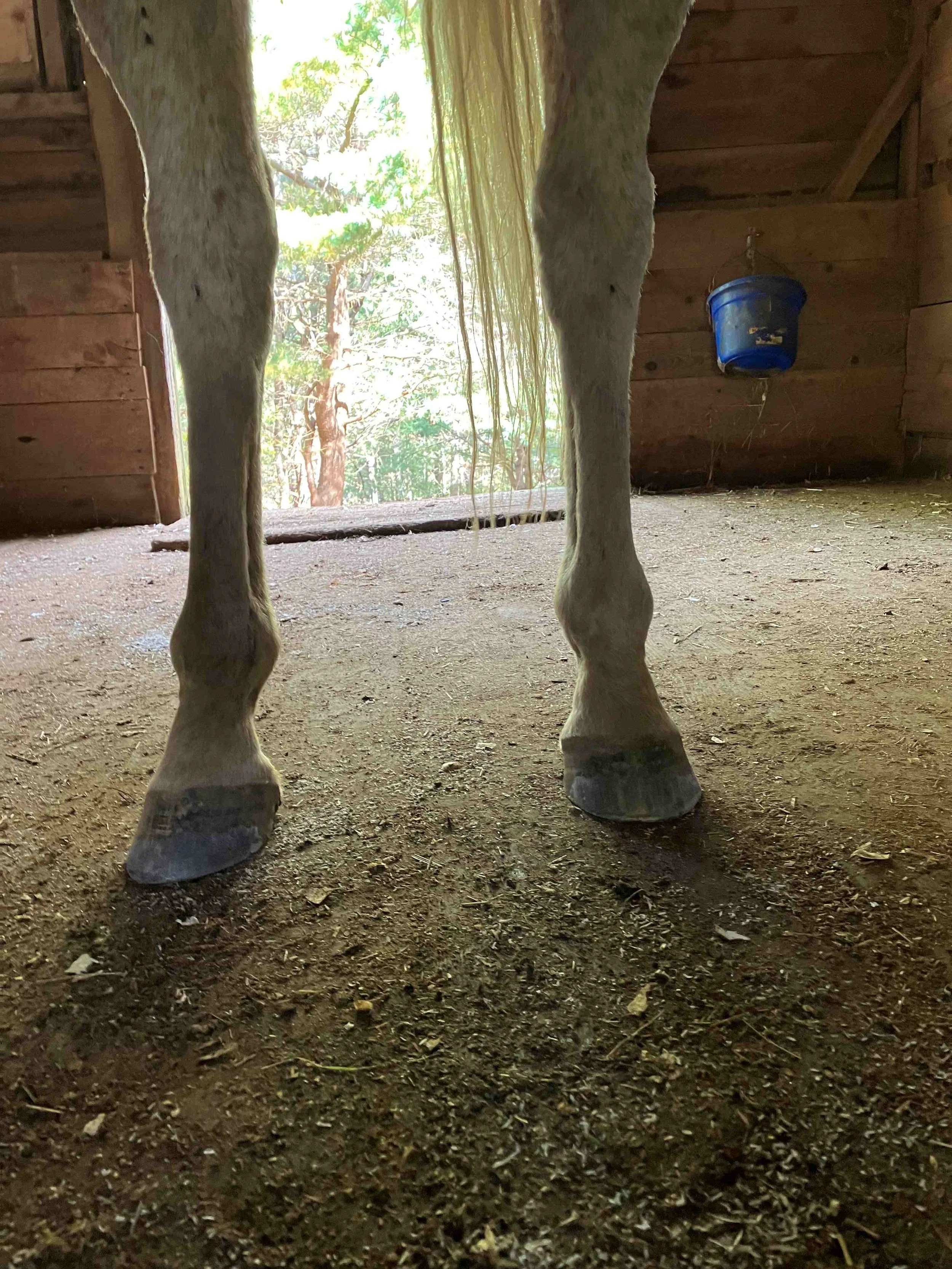
Hinds October 2023
All of Bumper 's frogs, bulbs and white lines were atrophied and the internal structures weak. Bumper was under extreme muscle tension. He was very weak in his fetlock joints. Especially for the first five years he had difficulties to pick up his feet for trimming. We worked with treats and patience.
Activated through my trim (mimicking natural wear patterns) true heel emerged from further back on the lateral side on the right hind in November 2018. We witnessed hoof horn shifting around the coffin bone as part of 4th dimensional healing changes. The right hind foot was positioned more in line with the bone column. Bumper’s fetlock joints finally functioned properly and smoothly in both hinds.
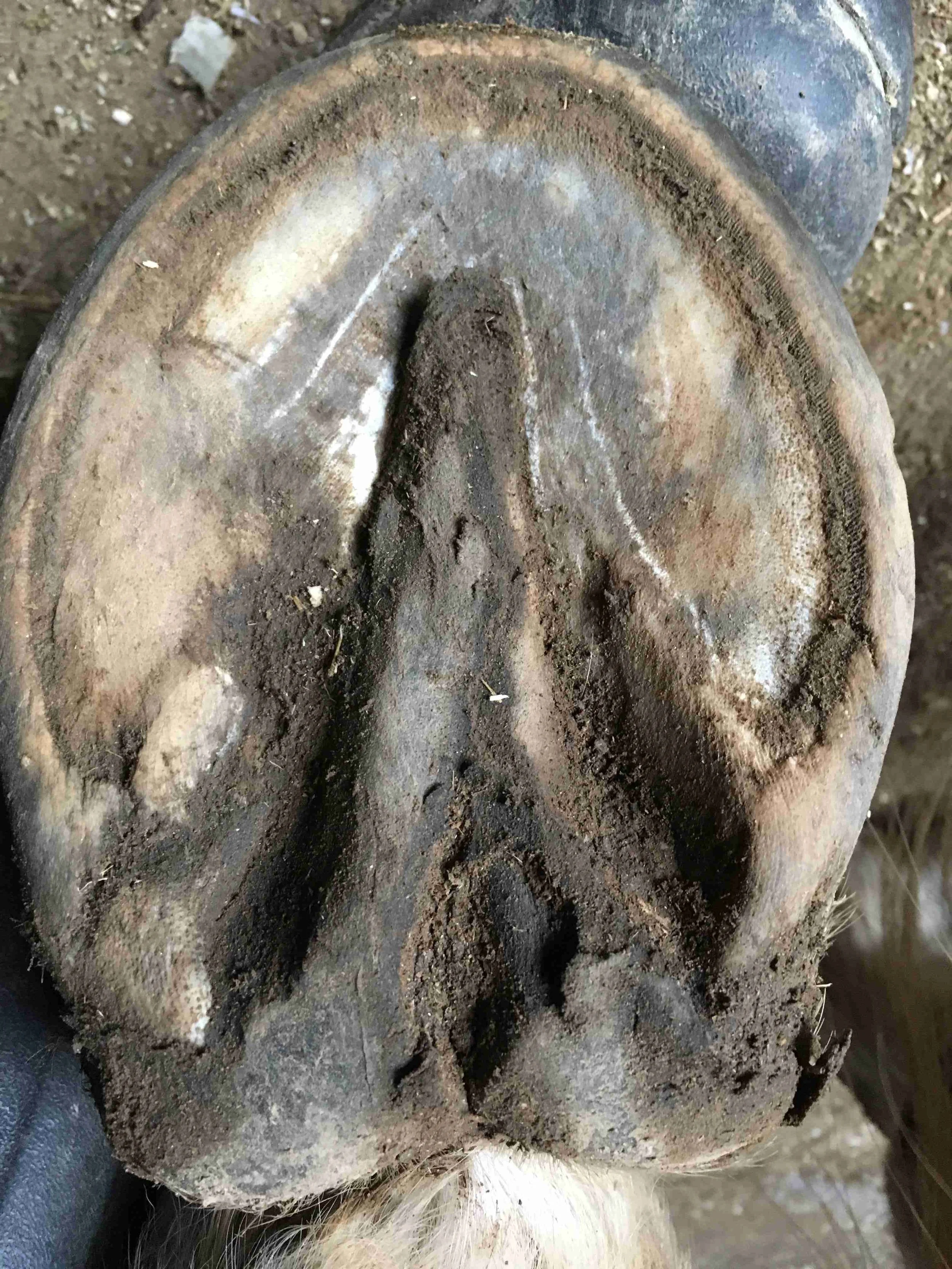
Right hind pre-trim November 2018 — true heel emerged from further back on the lateral side
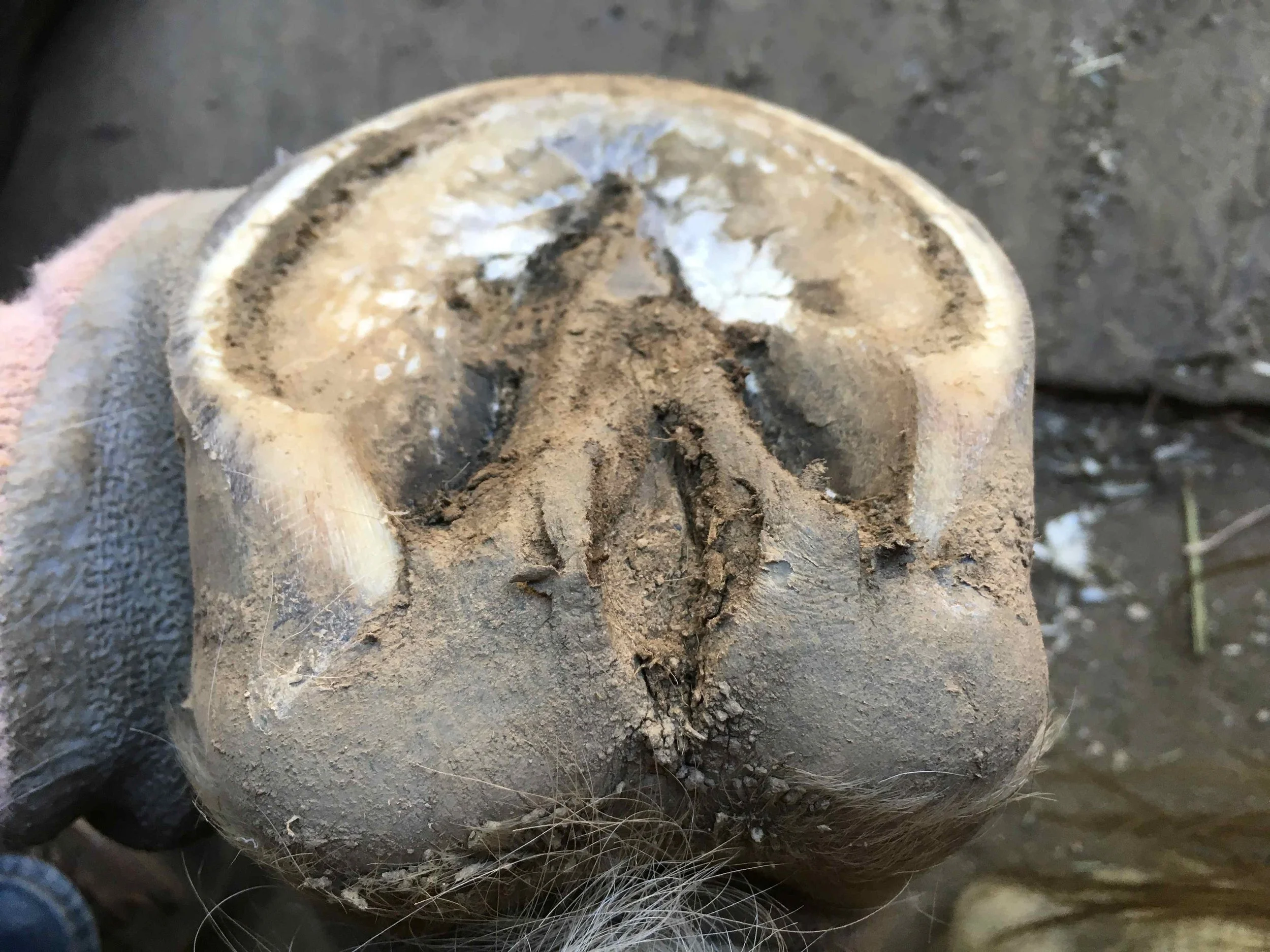
Right hind post-trim May 2019 — bulbs opening up and filling out
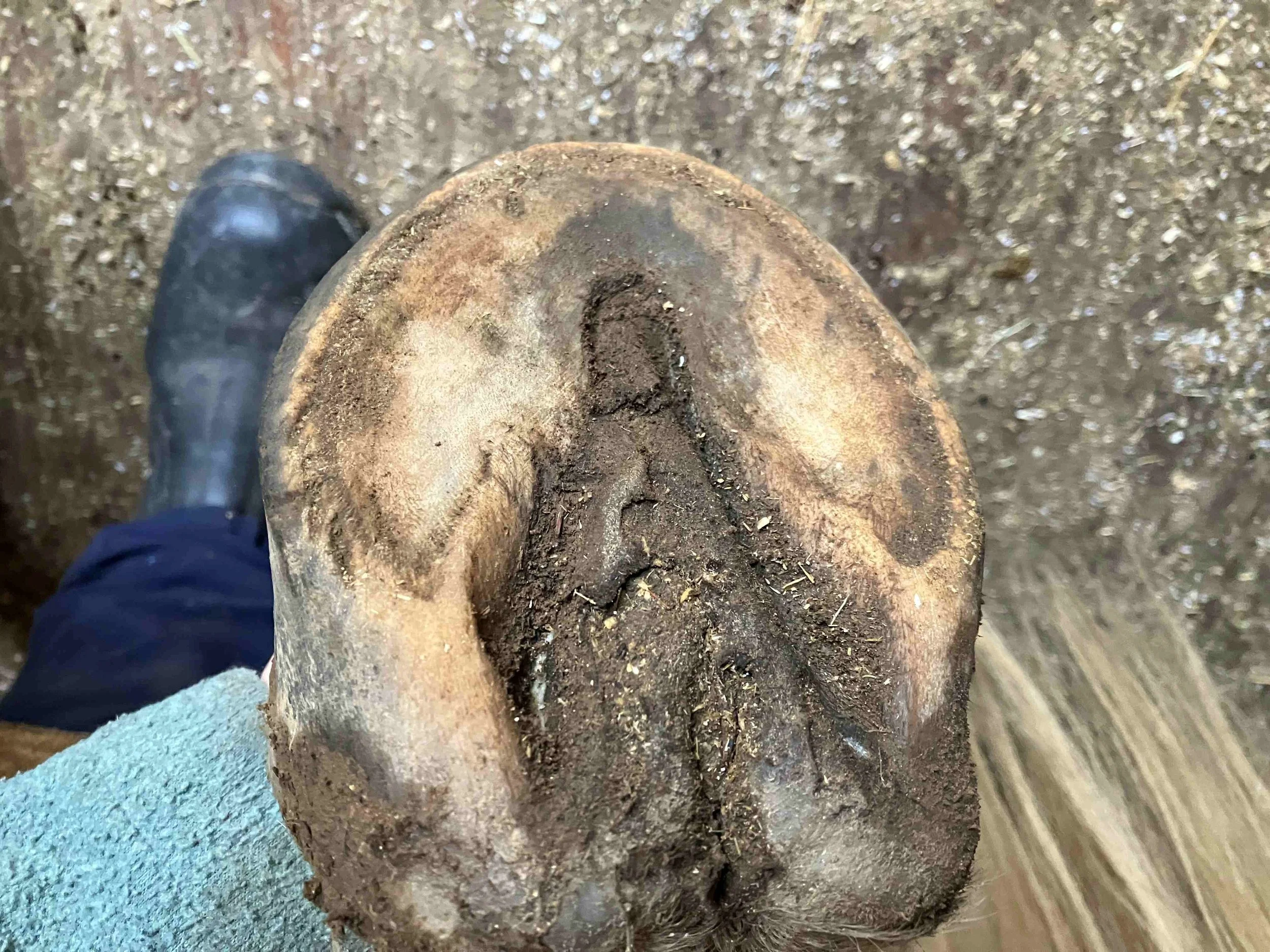
Right hind pre-trim (eight weeks after the last trim) February 2023
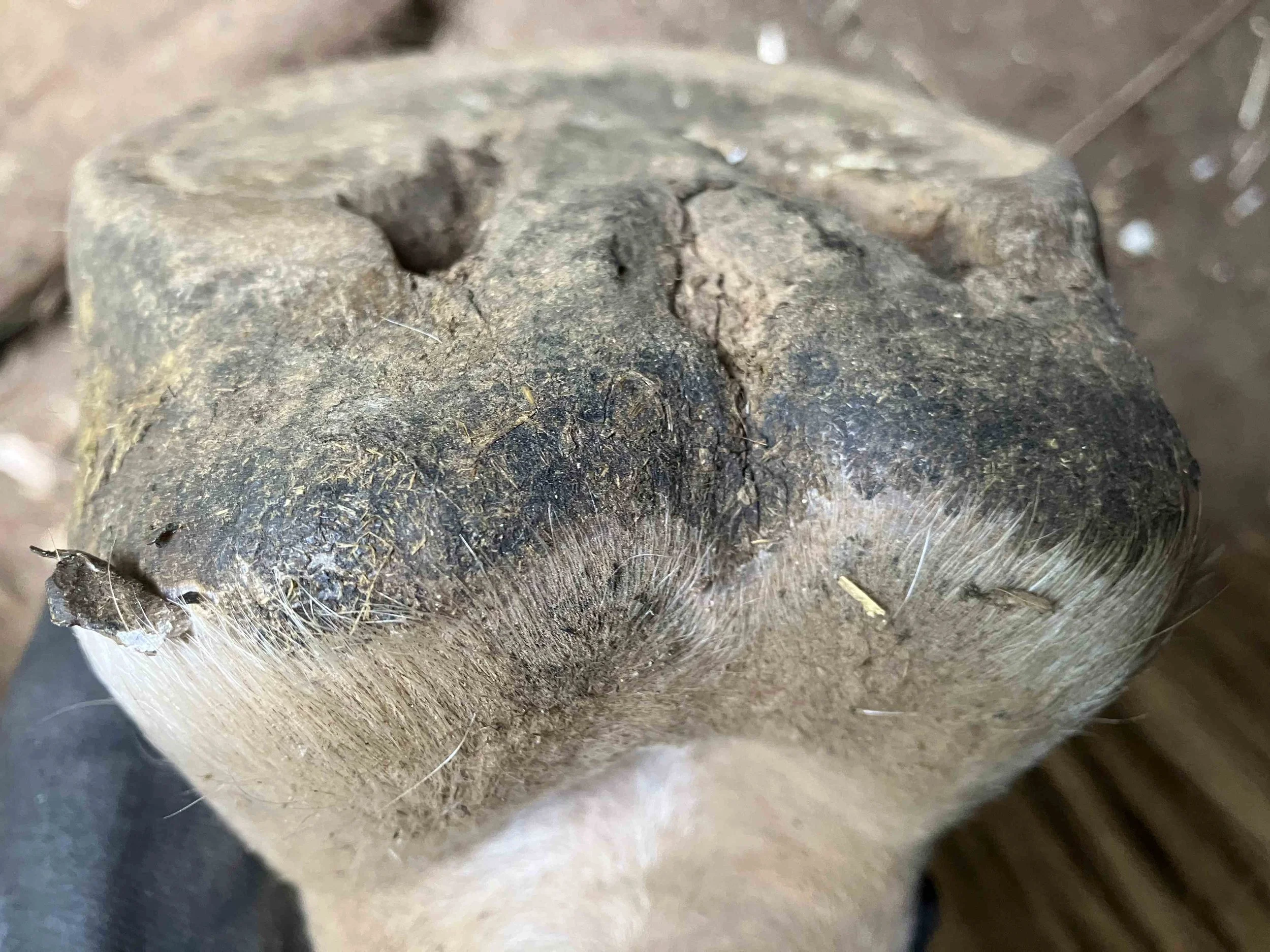
Right hind pre-trim September 2024
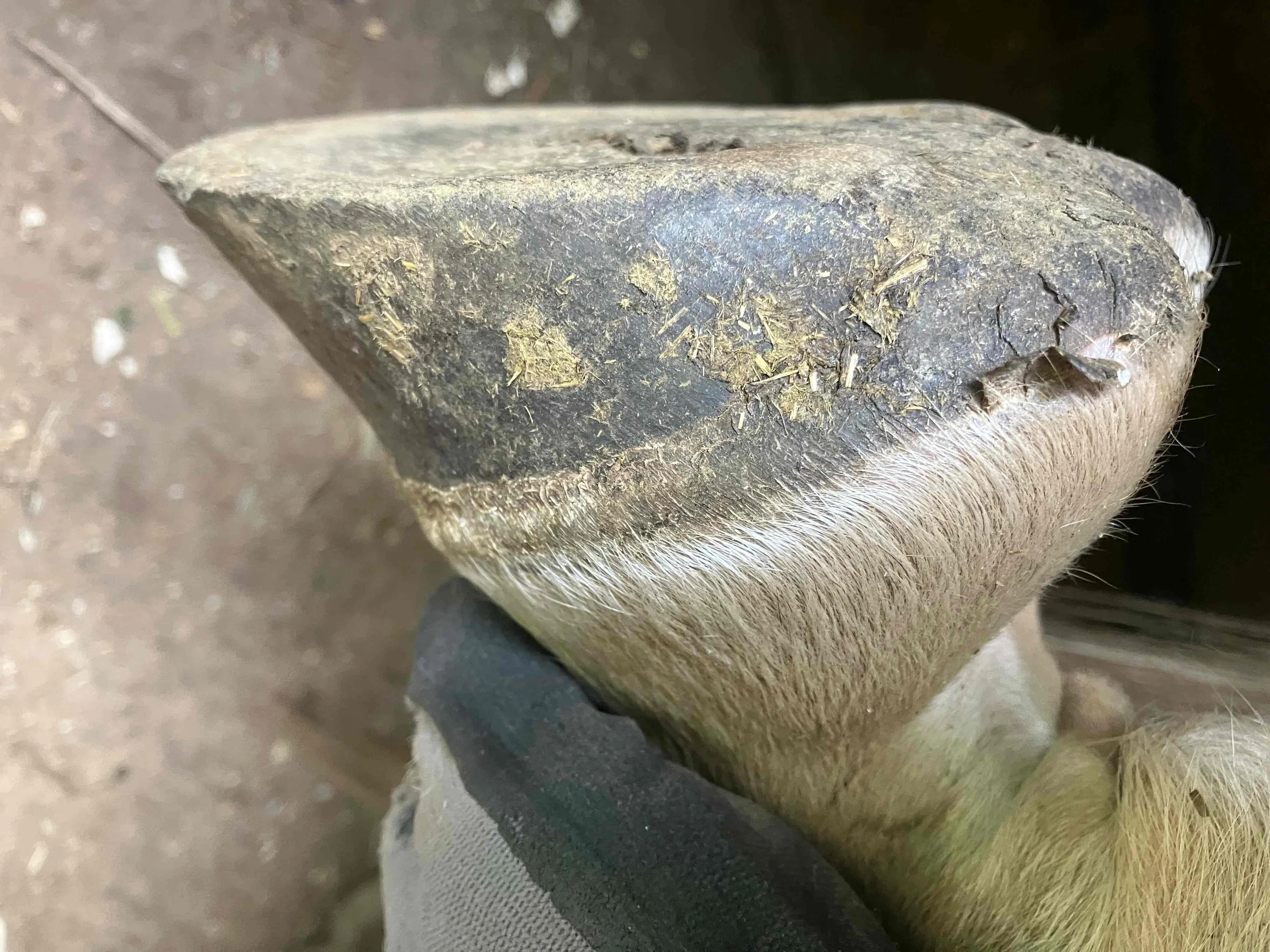
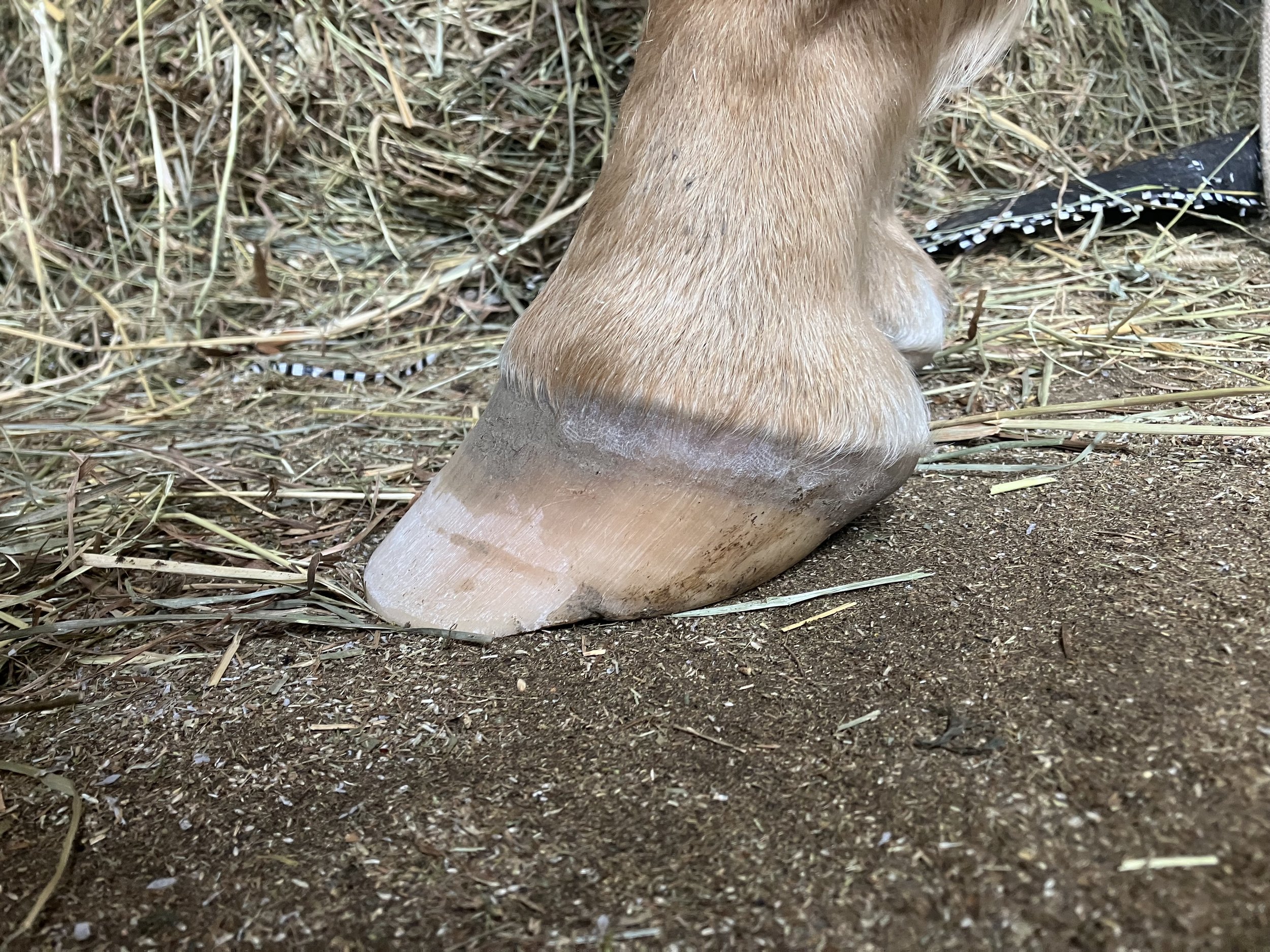
Right hind pre-trim September 2024 — a massive amount of internal structures is “jacking” up the back of the coffin bone = allowing the hoof capsule to be short in the heels, short in the toe and with a steeper toe angle (this all happened naturally with the healing and the complementing of the variant capsule angle-of-growth in the back)
Over the years, the front hooves literally untangled. The leftovers from the cracks make the shift of hoof horn around the coffin bone visible. Time revealed the injuries to Bumper 's hooves and his body caused by the atrophy of various hoof structures and the lack of true heels.
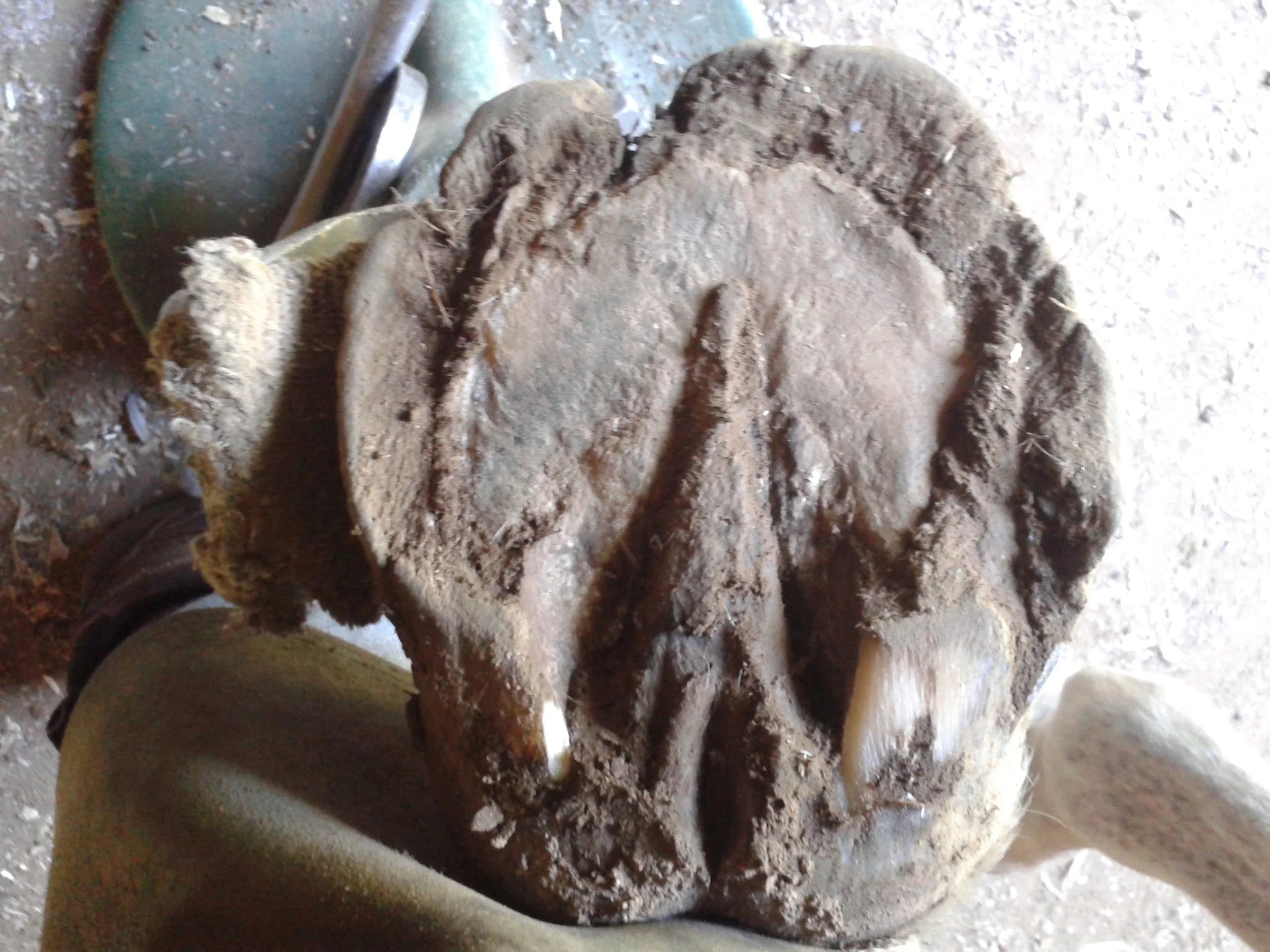
Right front mid-trim August 2017
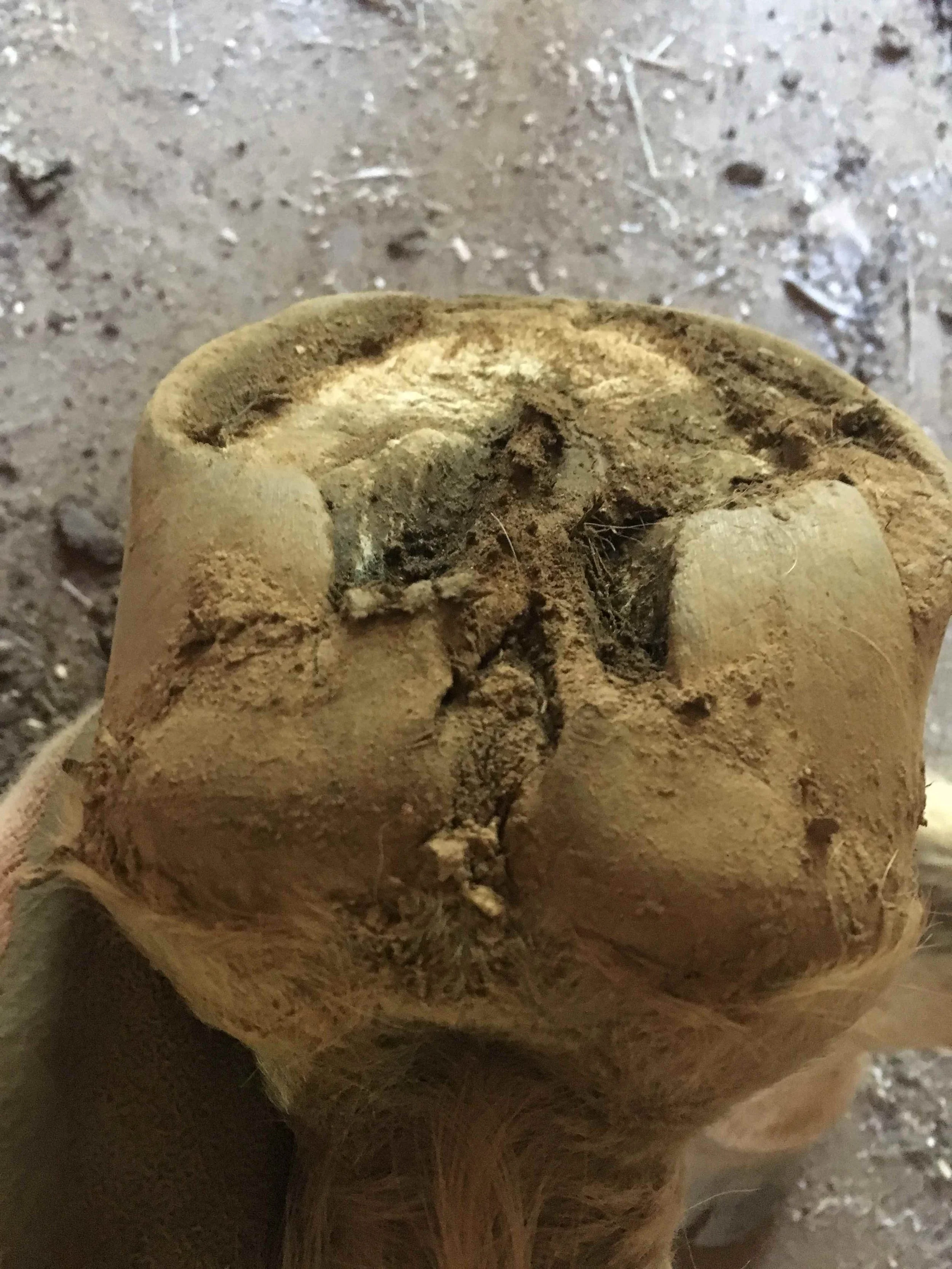
Right front pre-trim May 2019 — bulbs opening up and filling out
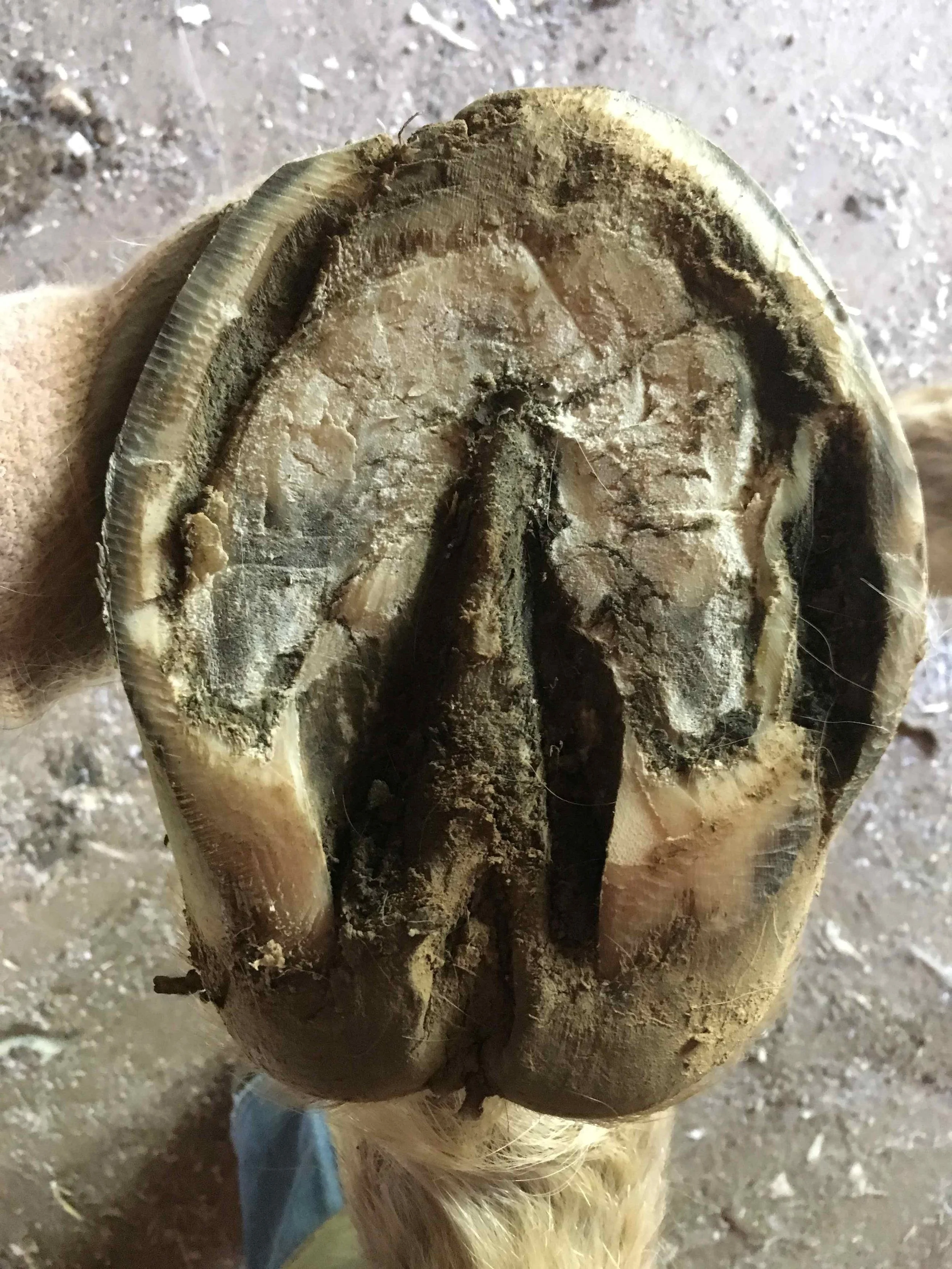
Right front mid-trim May 2019 — the white line is atrophied
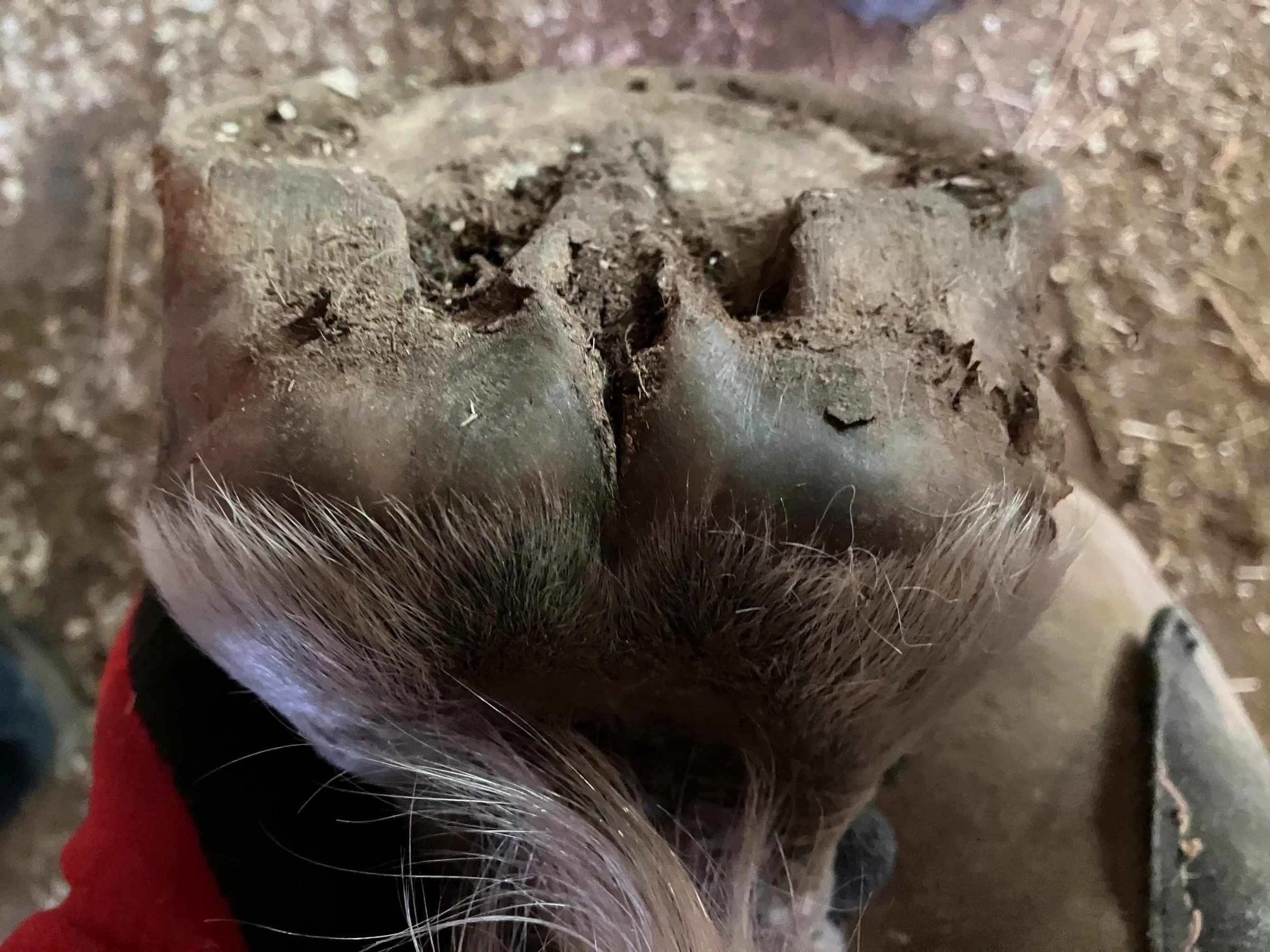
Right front pre-trim June 2024
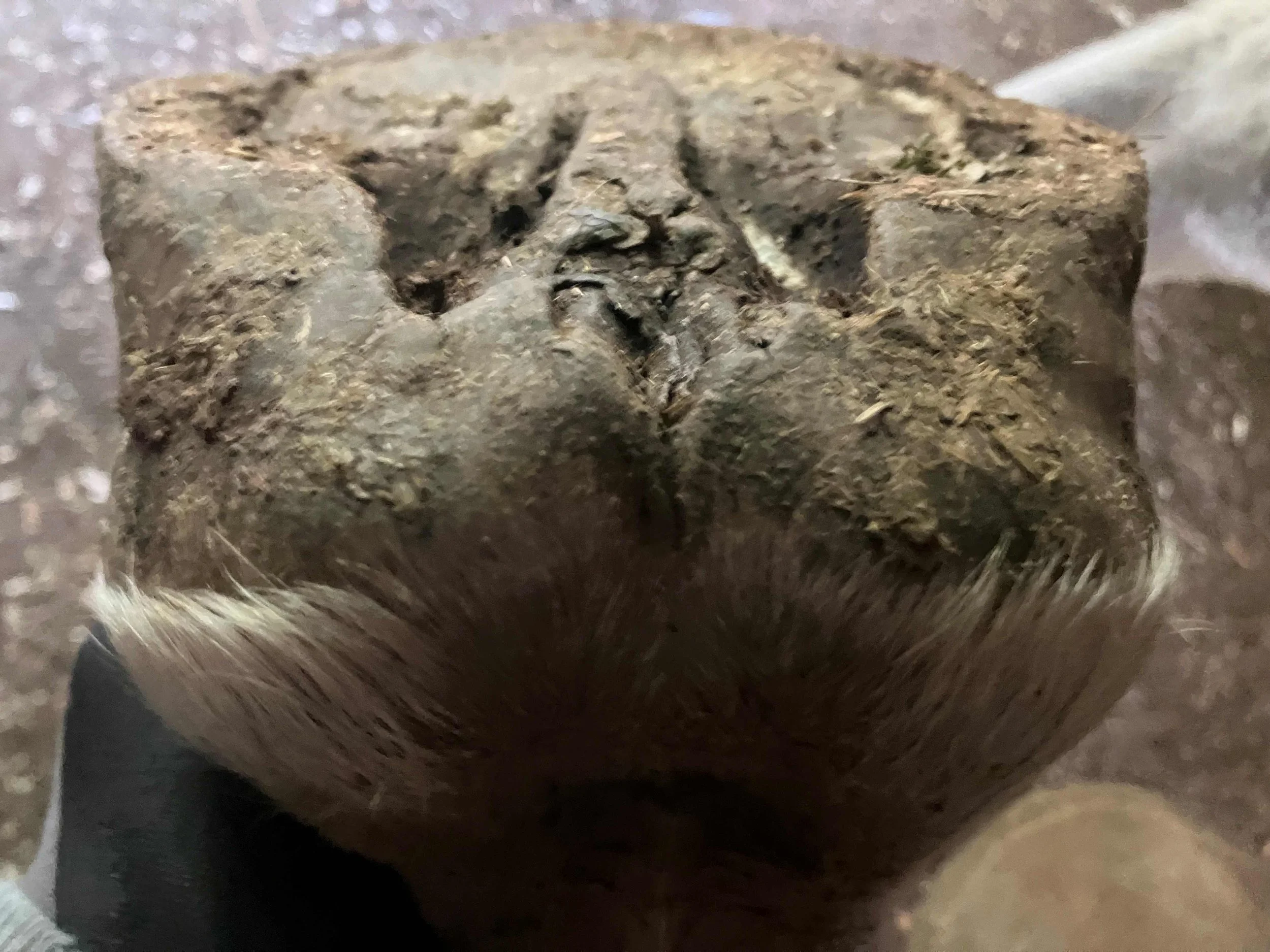
Right front pre-trim September 2024
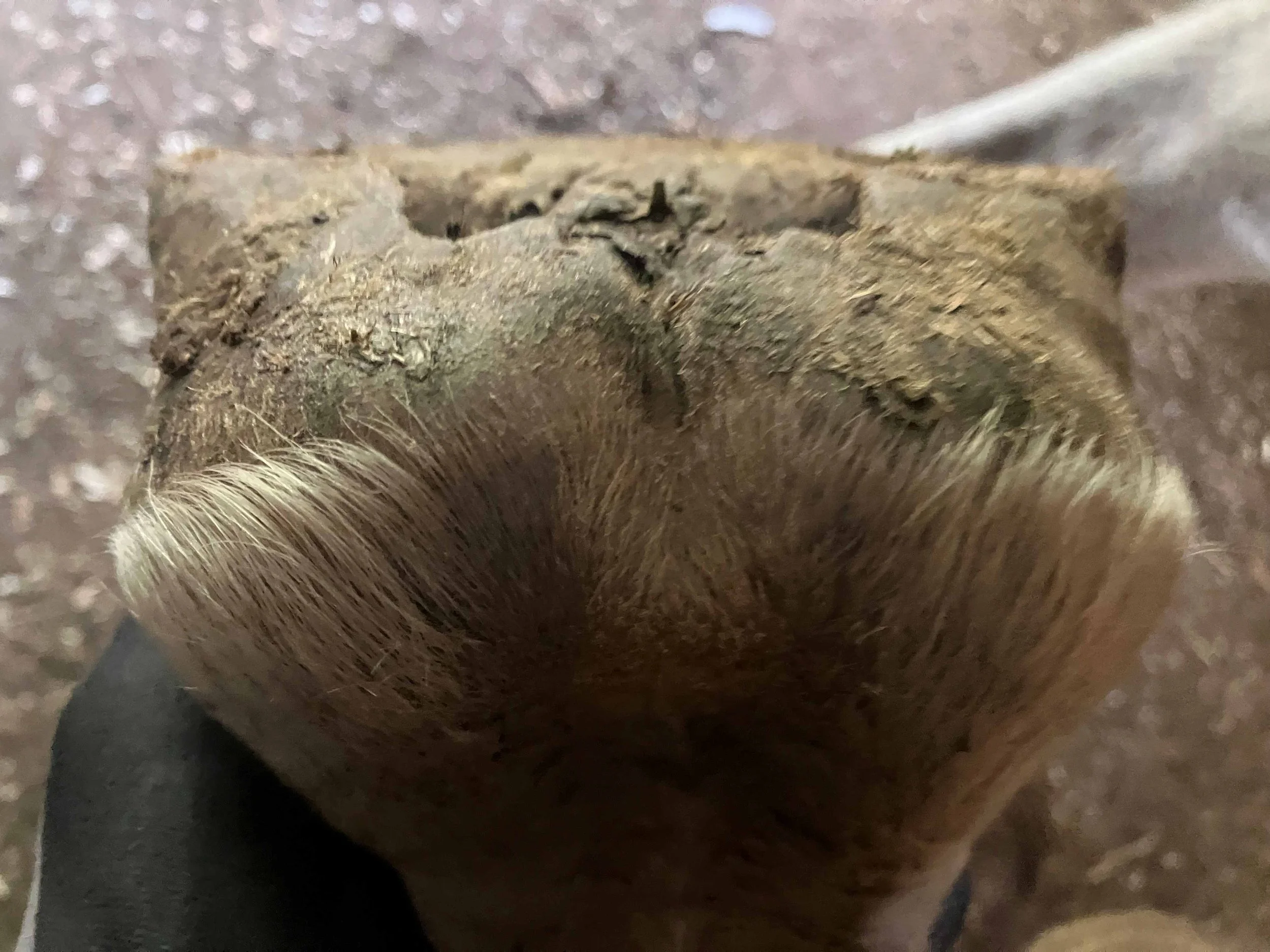
Right front pre-trim September 2024
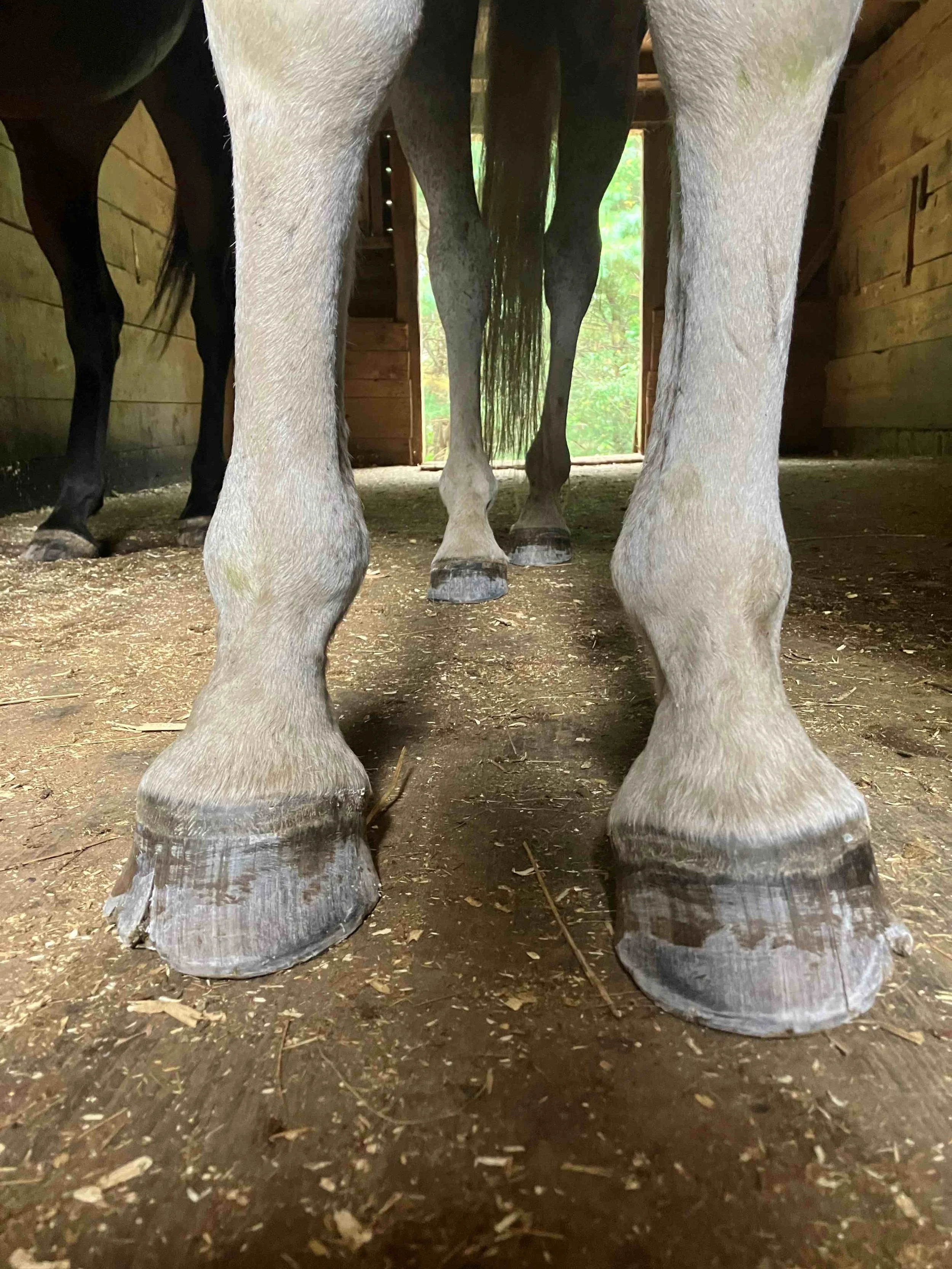
Post-trim September 2024 — comparing the photos from 2017: the leftovers from the cracks make the shift of hoof horn around the coffin bone visible (4th dimensional healing)
Bumper lived outside 24/7 in the company of other horses. The environment is a natural paddock (dirt and rocks). A short but challenging track connects the paddock with the run-in shelter with the upper paddock. Bumper was on a fairly natural diet (good quality first cut hay) with limited access to grass in the summers.
Bumper passed at the age of twenty-six. Thank you for the teaching. ♥
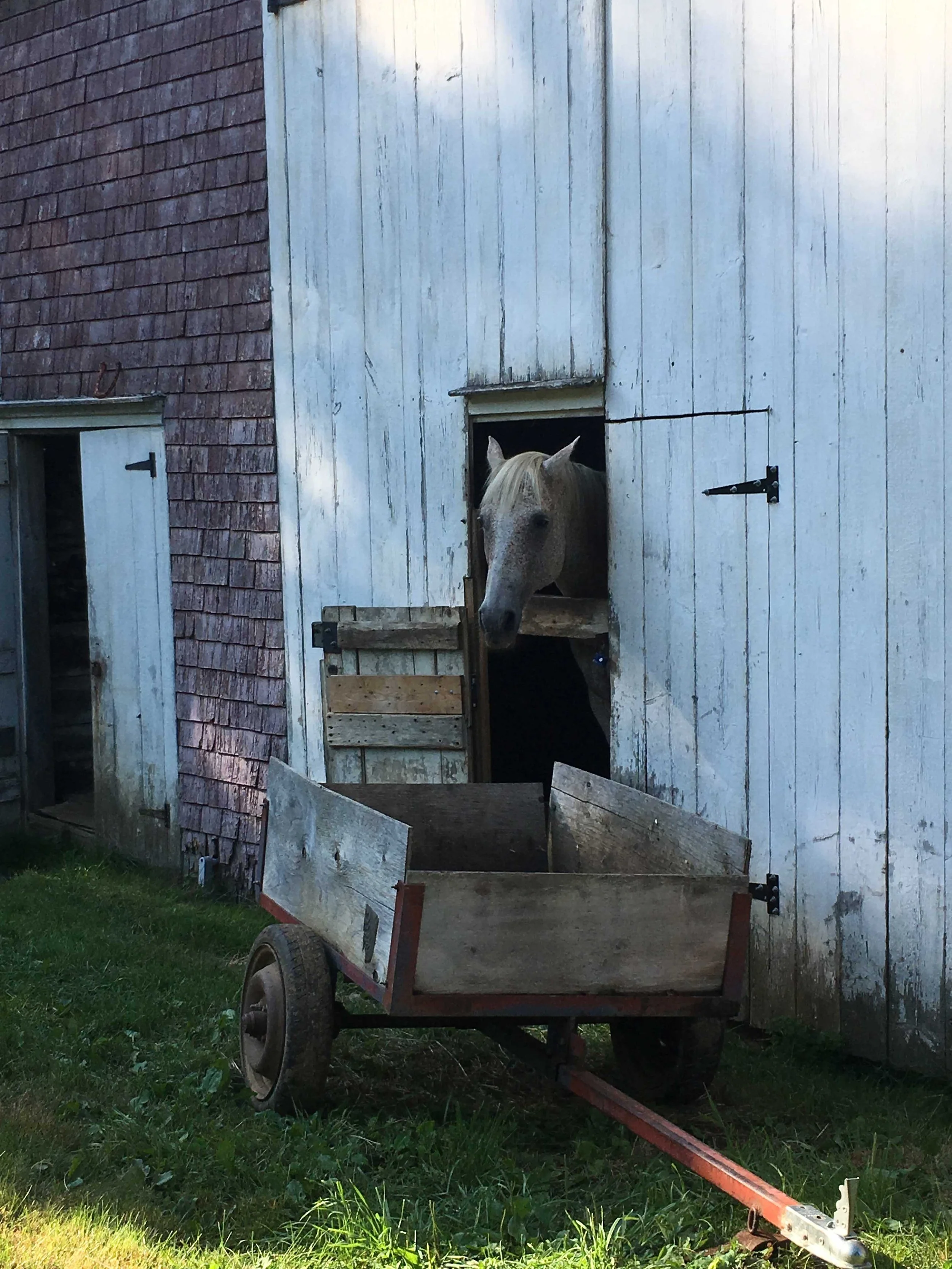
Bumper looking out from the backside of the run-in shelter
photos: Gudrun Buchhofer
Stay tuned for the upcoming cases (under my care for up to 20 years) in this blog series as a replacement for the unpublished part III: Mission Impossible of my trilogy Hoof, Body & Soul.
What did all my client horses over the last 20+ years have in common? They needed to heal from atrophy of the back of the foot as well as other atrophied hoof structures.
Q: Why do we need to change the upbringing of our baby horses and donkeys? A: To prevent senseless suffering.
Gudrun Buchhofer